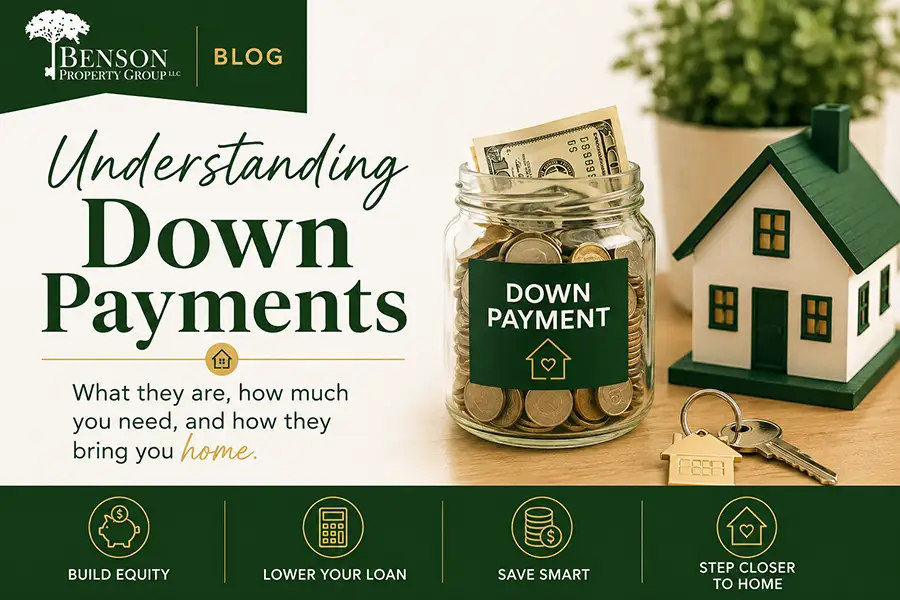

When buying a home, it’s important to understand what a down payment is. A down payment is the initial amount of money you pay upfront towards the purchase price of a property. It plays a crucial role in the home buying process, showing your financial commitment and helping you secure financing from lenders.
Many potential buyers think that they need to make a large down payment—usually 20% or more—in order to qualify for a mortgage or get better terms. This common belief can cause unnecessary stress and delay plans for saving for a house. However, the truth is more complex. The amount you actually need to put down depends on various loan programs and your personal financial situation.
In this article, we will explain:
- What a down payment really is and why it matters.
- The typical down payment requirements for different types of loans.
- The truth behind the widely believed 20% down payment myth.
- Alternative strategies and assistance programs that can make it easier to become a homeowner.
By exploring these topics, you’ll gain practical insights to help you determine the right down payment amount based on your specific financial goals.
Understanding Down Payments
A down payment is the initial cash amount a homebuyer pays when buying a property. It’s usually a percentage of the home’s purchase price and represents the buyer’s immediate ownership stake in the property.
Why Down Payments Matter for Mortgages
Down payments are crucial in the world of mortgages. They serve as a financial commitment that shows lenders the buyer’s seriousness and ability to invest in the home. By making this upfront payment, buyers lower the total loan amount they need to borrow, which directly affects their monthly mortgage payments.
How Down Payments Benefit Lenders
One important role of a down payment is reducing lender risk. When lenders see a larger down payment, they perceive less risk because the borrower has more invested upfront. This can lead to better mortgage terms, such as lower interest rates. Lenders feel more confident that borrowers with substantial equity are less likely to default on their loans.
Factors Influencing Down Payment Requirements
Down payment requirements aren’t the same for everyone; they depend on several factors:
- Loan type: Different mortgage programs have different minimum down payments. Some government-backed loans allow for very low or even zero down payments, while conventional loans often require higher amounts.
- Financial circumstances: Lenders may adjust expectations based on credit score, income stability, debt-to-income ratio, and other personal financial details.
- Property type and location: Certain properties or regions might have specific lending guidelines influencing down payment amounts.
Understanding these factors helps buyers customize their approach to financing their home purchase. It also explains why there’s no universal answer when deciding how much money to put down initially.
Common Down Payment Requirements by Loan Type
Understanding the typical down payment requirements for different types of loans helps buyers plan their finances effectively. Each loan program has specific guidelines that influence how much you need to put down when purchasing a home.
1. Conventional Loans
These are private loans not insured by the government. Conventional fixed-rate mortgages often require a minimum down payment of around 5%. Some lenders may offer options as low as 3%, but 5% is a common baseline. Adjustable-rate mortgages (ARMs) under conventional financing typically ask for higher down payments, closer to 10%, reflecting increased risk due to fluctuating interest rates.
2. Jumbo Loans
Jumbo loans exceed conforming loan limits set by government-sponsored enterprises and are used for high-value properties. These loans generally require about 10% down, though regional variations can apply depending on housing market conditions and lender policies. Because jumbo loans carry more risk, lenders tend to enforce stricter criteria including larger down payments.
3. FHA Loans
Backed by the Federal Housing Administration, FHA loans are popular among first-time buyers and those with lower credit scores. They allow for down payments as low as 3.5% of the purchase price, making homeownership more accessible. FHA loans do require mortgage insurance premiums regardless of the down payment size, but their low entry threshold helps many buyers enter the market sooner.
4. VA Loans
Available exclusively to eligible veterans, active-duty service members, and certain members of the National Guard and Reserves, VA loans offer a unique advantage: no down payment requirement in most cases. This benefit reduces upfront costs significantly for qualified individuals while still providing competitive interest rates and no private mortgage insurance (PMI).
5. USDA Loans
Designed for rural and suburban homebuyers meeting income limits, USDA loans frequently require no down payment. These government-backed loans aim to promote development in designated areas by offering zero-down financing options combined with favorable interest rates and mortgage insurance fees that tend to be lower than FHA programs.
Knowing these typical minimums provides clarity on what potential homebuyers might expect when exploring their financing options. Loan type eligibility, credit profile, property location, and lender-specific criteria all play roles in determining the exact down payment needed.
The Myth of the 20 Percent Down Payment
Many homebuyers enter the market believing that a 20 percent down payment is an absolute requirement. This widespread misconception, often called the 20 percent down payment myth, can discourage potential buyers from pursuing homeownership sooner or exploring alternative financing options.
Why the 20 Percent Down Payment Myth Persists
- Traditional lending standards and real estate advice have long emphasized this figure as a benchmark.
- Putting 20 percent down historically signaled strong financial stability to lenders.
- Media portrayal and anecdotal stories reinforce the notion that anything less is risky or impossible.
While putting 20 percent down is beneficial in several ways, it is not mandatory for most loan types. Many programs exist with much lower down payment requirements, enabling buyers to enter the market with less upfront cash.
Benefits of Putting 20 Percent Down
Making a larger down payment—specifically 20 percent—offers distinct advantages:
- PMI Avoidance: Private Mortgage Insurance (PMI) protects lenders from default risk when borrowers put down less than 20 percent. By putting 20 percent down, you typically avoid paying PMI altogether.
- Lower Monthly Payments: A larger initial investment reduces your loan amount, thereby lowering monthly mortgage payments.
- Mortgage Interest Rates: Lenders often offer better interest rates to borrowers who can make a sizable down payment. This reflects decreased risk on their part and can save thousands over the life of the loan.
Understanding Private Mortgage Insurance (PMI)
For buyers unable or unwilling to put 20 percent down, PMI is usually required by conventional lenders. Key points about PMI include:
- Cost generally ranges from 0.5% to 1% of your loan balance annually.
- It increases your monthly housing expenses but offers a pathway to homeownership without waiting years to save more funds.
- PMI premiums can often be canceled once you reach 20% equity in your home through payments or appreciation.
The choice of how much to put down depends on individual financial situations, goals, and comfort levels with ongoing costs like PMI. Buyers should weigh these factors carefully rather than adhere strictly to the “20 percent rule,” which is more flexible today thanks to diverse lending options.
Pros and Cons of Putting 20 Percent Down
Choosing to put down 20 percent on a home purchase carries several advantages of a large down payment that can impact your financial situation both immediately and over the life of your mortgage.
Advantages of a Large Down Payment
- Smaller monthly payments: A larger down payment reduces the loan principal, which lowers monthly mortgage payments. This can improve cash flow and make budgeting easier.
- No private mortgage insurance (PMI): Typically, putting down at least 20% allows borrowers to avoid PMI costs, which usually range between 0.5% and 1% annually. Without PMI, you save potentially hundreds or even thousands each year.
- Better interest rates: Lenders often offer more favorable interest rates to buyers with larger down payments, reducing the total cost of the loan over time.
- Increased home equity from day one: Starting with more equity provides greater financial stability and flexibility, including options to refinance or secure home equity loans later.
Disadvantages of Waiting to Save More
- Delays in homeownership: Saving for a full 20% can take years, during which time rental payments continue without building equity. This delay might prevent buyers from entering the housing market sooner.
- Risk of rising home prices: While saving, home prices may increase, potentially offsetting the benefits of waiting and requiring an even larger down payment.
- Opportunity cost of funds: Large savings tied up in a down payment might limit investments or other financial goals that could offer higher returns.
Mortgage Insurance Requirements for FHA and USDA Loans
Even with a substantial down payment, some loan types require mortgage insurance:
- FHA loans mandate mortgage insurance premiums regardless of down payment size. This protects lenders but adds to borrower costs.
- USDA loans also include mortgage insurance requirements under most circumstances, reflecting program rules designed to support lower-income buyers.
Understanding these trade-offs allows prospective homeowners to weigh the benefits against potential drawbacks when deciding how much to put down on their next home.
Alternative Strategies for Saving for a House
When preparing to buy a home, saving strategies play a crucial role in determining how quickly and comfortably you can reach your down payment goal. It’s important to look beyond simply stashing cash away and consider the broader financial picture.
Prioritize Debt Management
Focus on paying off high-interest debts first such as credit cards or personal loans. The interest accumulating on these debts often exceeds the returns you might get from saving money in a low-yield savings account.
Reducing debt improves your debt-to-income ratio, making you more attractive to lenders and potentially qualifying you for better mortgage terms.
Establishing a habit of consistent payments toward debt not only frees up future income but also builds financial discipline helpful in managing mortgage payments.
Explore Loan Programs with Lower Down Payments
Various loan options cater specifically to buyers who may not have substantial savings for a down payment:
- FHA loans allow as little as 3.5% down.*
- VA loans and USDA loans often require no down payment at all for eligible applicants.*
Some programs offer down payment assistance or grants that can reduce upfront costs significantly, easing the burden of saving large amounts.
Investigate eligibility requirements early to take full advantage of these benefits, especially if you are a first-time homebuyer.
Balance Saving with Other Financial Goals
While accumulating a down payment is important, it shouldn’t overshadow other critical financial priorities:
- Maintain an emergency fund that covers 3–6 months of living expenses to protect against unexpected setbacks.*
- Continue contributing to retirement accounts and other long-term investments to secure your financial future.*
Creating a realistic budget that allocates funds toward multiple goals prevents burnout and keeps your overall finances healthy during the home-buying journey.
Embracing these alternative approaches helps create a well-rounded plan that supports both immediate homeownership objectives and lasting financial stability. Integrating smart debt management with knowledge about varied loan options empowers buyers—especially those new to the market—with practical tools tailored to their unique situations.
Understanding Down Payment Assistance Programs
When it comes to buying a home, one of the biggest challenges many buyers face is coming up with enough money for a down payment. This can be especially tough for first-time buyers who may not have significant savings. Fortunately, there are down payment assistance programs available to help make homeownership more accessible.
What Are Down Payment Assistance Programs?
Down payment assistance programs are designed to provide financial support to homebuyers who may struggle to afford the upfront costs of purchasing a property. These programs come in various forms, but they all share the common goal of making homeownership more attainable.
Here are some common types of down payment assistance programs:
- Down payment assistance grants: These are funds provided that do not require repayment, helping reduce upfront costs.
- Forgivable loans: Loans that may be forgiven if the homeowner meets certain criteria, such as living in the home for a specific period.
- Deferred payment loans: Loans with payments postponed until the home is sold or refinanced.
Who Is Eligible for Down Payment Assistance?
Eligibility requirements for down payment assistance programs can vary depending on the specific program and location. However, there are some common factors that often determine eligibility:
- Income limits: Many down payment assistance programs have income restrictions in place to ensure that assistance is targeted toward those who need it most. These limits are typically based on the area median income (AMI) and may vary by location.
- Buyer status: Many programs are specifically designed for first-time buyers, which generally refers to individuals who have not owned a home in the past three years.
Down Payment Assistance Programs in Texas Real Estate Markets
In Texas real estate markets such as North Tarrant County and Wise County, there are several local and state programs that offer valuable support to homebuyers:
- Texas State Affordable Housing Corporation (TSAHC): This organization provides down payment assistance grants and mortgage credit certificates for eligible buyers.
- TDHCA (Texas Department of Housing and Community Affairs): TDHCA offers multiple assistance options tailored to low-to-moderate-income families.
- Local nonprofit organizations and city-specific initiatives may also provide targeted help in these counties.
How Can Benson Property Group Help?
At Benson Property Group, we understand how important it is for buyers to access these resources. That’s why we specialize in connecting our clients with down payment assistance programs and other financial support options.
Our team has extensive knowledge of the various programs available in Texas, including those offered by TSAHC and TDHCA. We can help you navigate through the eligibility requirements and application processes, ensuring that you receive maximum benefits from these resources.
By combining down payment assistance with traditional financing solutions, we aim to create a comprehensive strategy that suits your unique needs as a buyer. This approach not only increases your chances of securing your dream home but also helps you avoid stretching your finances too thin.
If you’re interested in learning more about down payment assistance programs or how we can assist you further, feel free to reach out to us!
How to Determine the Right Down Payment Amount for You
Choosing the right down payment amount involves a thorough financial assessment tailored to your unique circumstances and homebuying goals. This decision impacts your monthly mortgage payments, loan options, and overall financial health.
Assess Your Personal Financial Situation
Start by evaluating key factors that influence how much you can comfortably put down:
- Savings: Review your current savings and emergency funds. A healthy reserve should remain after the down payment to cover unexpected expenses.
- Income Stability: Consider job security and income consistency. Stable income supports larger down payments without compromising other financial obligations.
- Debt Levels: Calculate outstanding debts like credit cards, student loans, or car payments. High debt-to-income ratios may limit your ability to make a large down payment or qualify for certain loans.
Understanding these elements helps avoid stretching finances too thin while preparing for homeownership.
Align Down Payment Size With Long-Term Homeownership Goals
Your down payment choice should reflect what you envision for your future in the home:
- A larger down payment often reduces monthly mortgage costs and might secure better interest rates.
- Smaller down payments can accelerate the buying timeline but may include additional costs such as private mortgage insurance (PMI).
- Consider how long you plan to stay in the home, potential moves, and whether freeing up cash for renovations or investments is a priority.
Deciding on a balanced approach ensures your home purchase supports both immediate needs and long-term financial stability.
Consult Real Estate Professionals and Mortgage Officers
Engaging experts provides clarity on which loan programs best fit your situation:
- Real estate agents can offer insights about local market conditions influencing down payment expectations.
- Mortgage officers explain loan-specific requirements, interest rates, and how different down payment amounts affect qualification.
- Personalized consultations help identify assistance programs or grants that may reduce upfront costs.
Collaborating with knowledgeable professionals guides you through complex decisions, making the process smoother and more confident.
Taking time to evaluate your finances, define your goals, and seek professional advice forms a strong foundation for selecting an appropriate down payment amount.
Working With Benson Property Group for Your Home Purchase
Navigating the home buying process in North Texas becomes more manageable with expert guidance. Benson Property Group, a trusted local real estate brokerage serving North Tarrant County and Wise County, offers personalized support tailored to your unique needs.
Key advantages of working with Benson Property Group include:
- Deep local market knowledge – Insight into neighborhood trends, pricing, and community amenities.
- Dedicated agents committed to finding properties that fit your budget and lifestyle.
- Expertise in advising clients on down payment options and connecting them with reputable mortgage professionals.
- Assistance in identifying loan programs that align with your financial goals, helping you make informed decisions about how much down payment you really need.
For a smooth home buying experience with personalized advice on financing and down payments, reach out directly:
Benson Property Group contact: 214-701-1886
Taking this step connects you to a team focused on making your homeownership dreams a reality in North Texas.
FAQs (Frequently Asked Questions)
What is a down payment and why is it important in the home buying process?
A down payment is an initial upfront cost paid when purchasing a home. It reduces lender risk by lowering the mortgage amount and can influence interest rates. Down payment requirements vary depending on loan type and individual financial circumstances.
Do I always need to put 20% down when buying a house?
No, the common belief that you must put 20% down is a myth. While putting 20% down can help avoid private mortgage insurance (PMI) and lower monthly payments, many loans allow for much lower down payments, such as FHA loans at 3.5%, VA loans at 0% for eligible veterans, and USDA loans often requiring no down payment under certain conditions.
What are typical down payment requirements for different types of home loans?
Down payment amounts vary by loan type: Conventional fixed-rate loans usually require around 5%, adjustable-rate mortgages about 10%, jumbo loans approximately 10% with regional limits, FHA loans as low as 3.5%, VA loans require no down payment for eligible veterans and service members, and USDA loans often require no down payment if eligibility criteria are met.
What are the pros and cons of putting 20% down on a home?
Advantages of a 20% down payment include avoiding PMI, securing better mortgage interest rates, and having smaller monthly payments. However, saving for this amount may delay homeownership and expose buyers to rising home prices. Additionally, FHA and USDA loans require mortgage insurance regardless of the down payment size.
Are there programs to help with down payments for first-time homebuyers?
Yes, there are various down payment assistance programs including grants and forgivable loans that help buyers meet their upfront costs. Eligibility often depends on income levels or first-time buyer status. In areas like North Tarrant County and Wise County in Texas, Benson Property Group offers expertise to connect buyers with these local assistance options.
How can I determine the right down payment amount for my situation?
Assess your financial situation including savings, income stability, and debt levels. Align your down payment size with your long-term homeownership goals. Consulting with real estate professionals and mortgage officers—such as those at Benson Property Group—can help you choose the best loan program and appropriate down payment amount tailored to your needs.